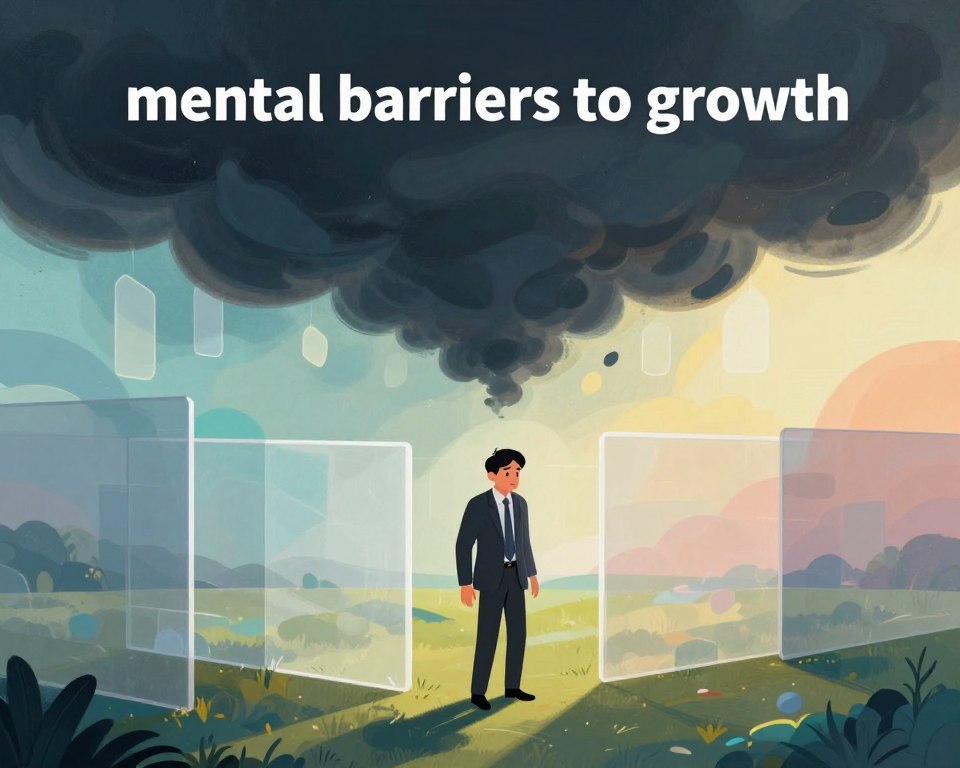
What if the energy you think is missing is already inside you, waiting for a clearer map?
This section defines how to unlock personal potential in everyday terms. Think of it as a practical set of steps, not a slogan. You’ll see how self-awareness makes choices easier and habits stick.
Personal development strengthens your mind, emotions, body, and relationships. It can cut stress by about 33%, raise life satisfaction near 29%, and improve promotion odds by roughly 21%. Those numbers show why small changes matter.
In this guide you’ll move from self-understanding to goal tools and habits. Expect clear frameworks (SMART, habit stacking, 70-20-10, ABCDE) and a plan you can use now. Small, repeatable actions across your growth journey compound into real success you can measure.
What Personal Potential Really Means in Your Life Today
Distinguishing general human ability from the strengths you can grow in your context helps you act with more focus.
Human capacity vs. your growth
Human capacity refers to what people can do in theory. Your version depends on values, context, and choices. That difference matters because it changes how you plan and prioritize.
Your energy as a renewable resource
Your energy — motivation and stamina — fluctuates. Low-energy periods do not mean failure. You can renew energy with routines, rest, and support systems.
How development supports whole-life well-being
Personal development is holistic. It strengthens mental focus, emotional regulation, physical health, and social skills.
- Mental: learning and clear thinking.
- Emotional: stress control and resilience.
- Physical: sleep, movement, and nutrition.
- Social: communication and relationships.
| Focus | Human capacity | Your actionable ways |
|---|---|---|
| Scope | Broad, theoretical | Context-driven, specific goals |
| Energy | Variable across people | Routines, rest, recovery |
| Growth | Possible in many domains | Plan around strengths and needs |
Quick self-check: where do your abilities feel strongest right now — mind, heart, body, or relationships? Note one area to focus on this week. Self-awareness is the bridge from wanting more to choosing the right ways to get there.
Build Self-Understanding With Practical Self-Awareness Tools
Self-understanding is the first step in shaping clearer goals and steadier progress. Use focused methods to turn vague intentions into useful insight you can act on.
Use the Five Whys to find real motivation
Ask “why” five times for one goal (career change, health habit, or relationship shift). Each answer peels back a surface reason to reveal core motivation. This process helps you design actions that match what truly matters.
Clarify values so plans hold up
List three values and test each goal against them. Values cut internal friction and make growth efforts durable when life gets busy.
Identify strengths and growth areas
Combine a short strengths survey with examples of when you felt energized. Use trusted feedback questions like “When do I add the most value?” to get usable insights.
Spot emotional patterns and limiting beliefs
Track triggers for a week to find what causes avoidance or overreaction. Call out untested beliefs (for example, “I’m bad at networking”) and test them with small experiments.
| Tool | What it reveals | Quick action |
|---|---|---|
| Five Whys | Root motivation | Adjust goal to match core reason |
| Values check | Alignment and focus | Keep or drop tasks that conflict |
| Strengths + feedback | Where you gain traction | Prioritize tasks that use strengths |
| Emotion log | Triggers and reactions | Create preplanned responses |
Set Goals You Can Actually Reach With SMART and CLEAR Frameworks
Match the right goal framework to your aim to make steady progress without friction. Choosing between SMART and CLEAR depends on whether you need strict metrics or flexible momentum. Use the one that fits your life, not the other way around.
When SMART goals work best for measurable progress
SMART fits targets with clear outcomes. Use it for fitness numbers, certification timelines, or savings goals. Define Specific metrics, Measurable milestones, Achievable targets, Relevant intent, and Time-bound deadlines.
When CLEAR goals fit flexible, emotionally driven growth
CLEAR is better for confidence, communication, or leadership presence. It emphasizes Collaborative steps, Limited scope, Emotional connection, and Appreciable, Refinable outcomes. This way you iterate and adapt.
Why writing your goals down increases success likelihood
Write goals in one place—journal, app, or planner—and review weekly. Studies show written goals raise your chances of success by about 42%.
Turn long-term goals into manageable steps and milestones
Break big goals into monthly outcomes, weekly commitments, and daily actions. Estimate required time and note expected constraints like work or family so progress stays realistic.
| Use case | Framework | Example |
|---|---|---|
| Measurable progress | SMART | Lose 12 lbs in 12 weeks; track weekly weight and workouts |
| Emotional growth | CLEAR | Improve public speaking; run practice sessions and get feedback |
| Long-term project | SMART + steps | Finish certification in 6 months; monthly modules, weekly study plans |
Stay focused by limiting active goals to 2–3, defining what’s “not now,” and protecting energy for high-impact actions. A goal without a plan becomes a wish—your next section shows how to build that operating system.
Unlock Personal Potential With a Personal Development Plan You’ll Stick To
You can design a plan that fits your real life — not a wish list you ignore.
Start by choosing 1–3 focused goals that match your available time and energy. Fewer priorities reduce overload and make progress sustainable. Build weekly slots where you do the work and a simple fallback that keeps momentum when life interrupts.
Design a plan around your time, energy, and priorities
Map weekly windows for focused work. Be realistic about low-energy days and protect short, high-value blocks when you are fresh. Use a fallback routine: shorter tasks or review sessions to keep the process alive during busy weeks.
Build accountability into your process to prevent drift
Accountability partners can transform effort into results. Structured check-ins with a mentor, coach, peer, or small group raise follow-through — in some setups up to 95% with regular reviews.
“Small, frequent check-ins beat sporadic motivation.”
Track progress in ways that reinforce motivation and focus
Pick simple tracking: a weekly scorecard, habit tracker, or monthly milestones. These methods show progress without turning growth into paperwork. Match tools and resources to your learning style so you actually use them.
| Need | Option | Why it works |
|---|---|---|
| Accountability | Mentor / peer group | Regular feedback reduces drift and decision fatigue |
| Tracking | Weekly scorecard | Shows small wins and keeps motivation high |
| Resources | Short courses, books, apps | Choose formats that match your schedule and energy |
| People to involve | Supportive peers, coach | Ask for feedback; avoid chronic critics when testing new goals |
Final rule: a great plan fails without the right environment. Shape routines and cues so daily life nudges you toward the goals you set.
Create Habits That Make Growth Automatic
Habits are the scaffolding of lasting growth—you build them with time, not willpower alone.
Accept the 66-day reality: most new routines take about two months to stabilize. Plan for consistency, not instant change, so your efforts survive busy weeks and setbacks.
Start tiny and compound progress
Use the 1% rule: improve by a sliver each day. Small steps reduce burnout and let repetition form identity-based momentum. Over weeks, that steady process creates real progress.
Link new actions to what you already do
Try habit stacking: after coffee, write a two-minute journal; after lunch, take a five-minute walk; after brushing, do a 60-second breathing pause. These simple links make new behaviors automatic.
Strengthen the loop and protect your energy
Design a clear trigger → action → reward loop and track it simply. If you miss a day, restart the next one—don’t treat slips as failure. Protect your energy with 7–9 hours sleep, ~30 minutes movement most days, balanced nutrition, and recovery routines.
Result: stable habits lower stress, boost resilience, and free your willpower so you can invest reliably in learning and skill growth on the rest of your journey.
Keep Growing Through Continuous Learning and Skill Development
Learning that changes what you do is intentional. It balances on-the-job practice, social feedback, and targeted study so your effort becomes measurable growth.

Apply the 70-20-10 rule
Use 70% experience: pick projects that stretch your ability and deliver value. Use 20% social learning: ask for feedback and shadow colleagues. Use 10% formal study for frameworks or certifications.
Use online learning strategically
Pick one platform and one course at a time. Add practice assignments and schedule review sessions. The e-learning market is large; be selective so study fuels performance, not passive course consumption.
Combine hard and soft skills for career impact
Pair hard skills like data analysis, coding, or finance with soft skills such as communication and leadership.
LinkedIn reported that about 80% of professionals rate soft skills as critical. Make these part of your plan, not an afterthought.
Improve problem-solving with analytical practice
Break problems into parts, state assumptions, run quick tests, and iterate. Use mentorship, peer review, structured courses, and on-the-job stretch assignments as key resources to build real-world abilities.
| Type | Example | Why it works |
|---|---|---|
| Experience | Lead a small cross-functional project | Builds skills and shows impact |
| Social | Peer review and feedback | Speeds learning and improves teamwork |
| Formal | Short course with assignments | Gives frameworks you can apply |
Result: your success often scales with how well you work with others under pressure. Make relationships part of your growth strategy.
Strengthen Emotional Intelligence and Relationships to Accelerate Your Growth Journey
Emotional skill strengthens how you decide and connect when pressure is high.
Emotional intelligence is practical: self-awareness, self-regulation, empathy, active listening, and social skill. These abilities shape choices under stress and improve relationships in daily life.
Increase self-awareness and self-regulation to make better choices under stress
Pause and name the feeling for 3–5 seconds. Labeling emotions lowers reactivity and helps you choose actions deliberately.
Use a simple breathing pattern: inhale four, hold four, exhale six. Delay replies when needed to avoid reactive decisions.
Practice empathy and active listening to improve communication
Focus on the other person and reflect what you hear. Say, “It sounds like you feel X because Y”, then state your view.
Validate others without giving up boundaries. You can acknowledge feelings and still say what you need.
Use conflict resolution skills to build healthier personal and professional relationships
Follow a clear 4-step process: clarify the issue, state needs, propose options, and agree on workable outcomes.
Aim for win-win solutions that preserve trust. Calm, consistent communication builds leadership trust and influence over time.
| Skill | In-the-moment technique | Immediate result |
|---|---|---|
| Self-awareness | Pause-and-name the emotion | Better decision control |
| Empathy | Reflective listening | Stronger rapport with people |
| Conflict resolution | Clarify → needs → options | Outcome that keeps relationships |
Lean on support from mentors, peers, or partners to reality-check blind spots. That help speeds your growth journey and keeps you accountable.
Relationship habits such as weekly check-ins and debriefing hard conversations protect progress. Strong ties make setbacks easier and reduce isolation, so your process keeps moving forward.
Turn Setbacks Into Progress With Resilience and a Growth Mindset
Every setback can be a concentrated lesson if you treat it as information, not identity. That shift in mindset helps you move from blame to action. Setbacks are normal on any meaningful journey and often reveal what to adjust next.
Use the ABCDE model to reframe challenges step by step:
- Adversity — name the event (missed milestone).
- Beliefs — notice the story you tell yourself (“I always fail”).
- Consequences — list feelings and actions that follow.
- Dispute — challenge the belief with evidence and alternatives.
- Energize — choose a constructive next step and try it.
Example: you miss a deadline. Identify the belief, dispute it (“I missed one date, not the goal”), then pick a clear corrective step.
Self-compassion matters. Treating yourself with kindness reduces perfectionism and comparison. It can increase your chances of success by about 43% and lowers burnout risk.
Build resilience with simple routines: short mindfulness sessions, scheduled recovery breaks, consistent sleep, and daily movement. These practices stabilize energy and sharpen focus.
Use support: accountability partners and peer check-ins boost follow-through — in some setups goal completion rises up to 95% with regular reviews. Pick partners who agree on clear steps and next actions.
“Small course corrections, done consistently, create real progress.”
| Need | Action | Immediate benefit |
|---|---|---|
| Reframe beliefs | ABCDE steps | Clearer decisions |
| Protect energy | Mindfulness + recovery | Less burnout |
| Increase follow-through | Accountability partner | Higher completion |
| Persistent barriers | Psychotherapy or coaching | Improved self-regulation |
If anxiety, trauma patterns, substance concerns, or severe self-regulation issues persist, professional support can remove internal barriers and speed recovery. Keep your process consistent and progress will follow, even when outcomes aren’t perfect.
Conclusion
Finish with a tight checklist that moves understanding into measurable progress.
Why it works: self-understanding turns vague desire into clear priorities and better decisions. The system above—awareness tools, goal frameworks, a realistic plan, habit design, learning, relationships, and resilience—creates steady growth.
What to do next: pick one area, set one written goal (writing increases success ~42%), define the first action, and schedule an accountability check-in.
Measure weekly milestones, habit streaks, or skill practice hours. Remember habits take about 66 days and 70-20-10 speeds learning. Use ABCDE to reframe setbacks and leverage support; accountability can raise follow-through to ~95%.
Commit to one strategy this week, protect the time, and let small wins compound into real success.