Anúncios
Zooming out means stepping back to see context before you commit. It is a repeatable discipline, not just a trait. You learn to test assumptions, map timelines, and spot effects that follow a choice.
John C. Maxwell noted that top leaders broaden their outlook by learning from every experience. Use that lens: treat wins and setbacks as data that improve your approach over time.
At work, urgent requests will pull you into details. Your most important outcomes need a wider view and clear tradeoffs. This section previews a practical method to protect long-term results while respecting execution limits.
You’ll learn how to clarify why a move matters, map years not weeks, pressure-test assumptions, seek other views, run pre-mortems, and converge on what is actionable. That strategy boosts your ability to foresee second-order effects on customers, teams, budgets, and schedules.
This guide is for leaders, managers, and high-ownership contributors who must balance near-term delivery with long-term vision. Read on to build the habits that raise your odds of lasting success.
Anúncios
Why “zooming out” matters in decision-making today
When the pace speeds up, your best safeguard is a routine that forces you to see years, not hours. The world moves faster and data arrives in real time, so your ability to widen your view is now a core professional skill.
Big-picture thinkers learn from every experience, not just wins
John C. Maxwell said leaders broaden their outlook by learning from every event.
“Leaders must learn from all outcomes — wins, misses, and near-misses.”
Anúncios
Turn events into a feedback loop: capture the choice, list assumptions, note signals you tracked, record what happened, and define one change next time.
Uncertainty is the default, so your strategy has to be agile
BetterUp reports many people feel unable to plan because the future is unknown. Treat strategy as a set of testable hypotheses: keep direction, but change tactics when new evidence appears.
How short-term urgency quietly derails long-term goals
Always reacting taxes attention and fragments work. Your calendar can fill with requests and meetings, and the important loses to the urgent unless you protect strategic time.
Zooming out is the way you keep meaning and momentum intact while the world keeps moving. Use a simple zoom out practice to make experiences into assets and boost long-term success.
What big picture thinking looks like in real work and leadership
Effective leaders link daily tasks to long-term goals so teams know why the work matters.
A practical definition: big picture thinking is your ability to connect tasks, projects, people, and limited resources to the overarching endeavor—and then communicate that context so others buy in.
How it shows up day-to-day
You don’t just assign tasks. You translate priorities into a short narrative that explains tradeoffs and expected outcomes.
You map initiatives to strategy, state what “good” looks like, and ensure the team understands how their work ladders up to goals.
Core benefits for the organization
- Resilience: teams absorb shocks because work aligns with outcomes, not busyness.
- Agility: the organization can reallocate scarce resources faster when context is clear.
- Performance: better resource choices improve the company’s bottom line.
- Creativity: clear framing creates a safe space for new ideas tied to strategy.
- Foresight: leaders spot signals earlier and avoid reactive cycles.
“When work is connected to a clear goal, people make better day-to-day calls.”
Quick self-check: if you can’t explain how a project advances a strategic goal in two sentences, alignment is probably weak.
Why this reduces strategy failure: misaligned work drifts into activity that hides capacity limits and drives reactive management. Connecting tasks to a narrative keeps the team focused and elevates your ability to steer long-term outcomes.
Next, you’ll get a usable zoom-out framework you can apply to a real choice this week; it turns this operating system into repeatable process.
Learn more about the organizational benefits from coaching and research at BetterUp on big picture thinking.
Big picture thinking for decision making starts with a zoom-out framework
Begin with the outcome: what future state are you trying to create, and why does it matter?
Clarify the “why” before debating the “how”
Define the measurable outcome — customer, employee, financial, or mission goal. List non-negotiables so motion does not replace progress.
Map the decision to years, not weeks
Assess multi-year effects such as capability, brand trust, retention, and technical debt. This view reveals tradeoffs that short windows hide.
Pressure-test assumptions by removing constraints
Write down what you treat as fixed (budget, headcount, policy). Then imagine each removed. New options will surface.
Seek other perspectives to reduce blind spots
Invite a dissenting voice, frontline staff, and adjacent teams. Diverse input improves the quality of your assumptions and ideas.
Use pre-mortems to spot risks before you commit resources
Assume the plan failed in 12 months. List why, and convert those items into mitigations before you launch.
Move from divergent ideas to convergent reality
Generate bold options first, then narrow to what is actionable given capacity, timing, and risk. Produce a one-page brief to guide next steps.
- Align on purpose
- Widen time horizon to years
- Challenge assumptions
- Add perspectives
- De-risk with pre-mortems
- Converge on actions
| Focus | Short-term view | Multi-year view |
|---|---|---|
| Capability | Quick delivery | Scalable skills and systems |
| Trust | Immediate wins | Brand and retention |
| Risk | Low-cost experiments | Mitigations from pre-mortems |
Practical promise: run this sequence before any major choice and you will reduce reactive reversals. Your decisions will be tested against time, assumptions, and reality before launch.
Build the habits that make big-picture thinking a repeatable skill
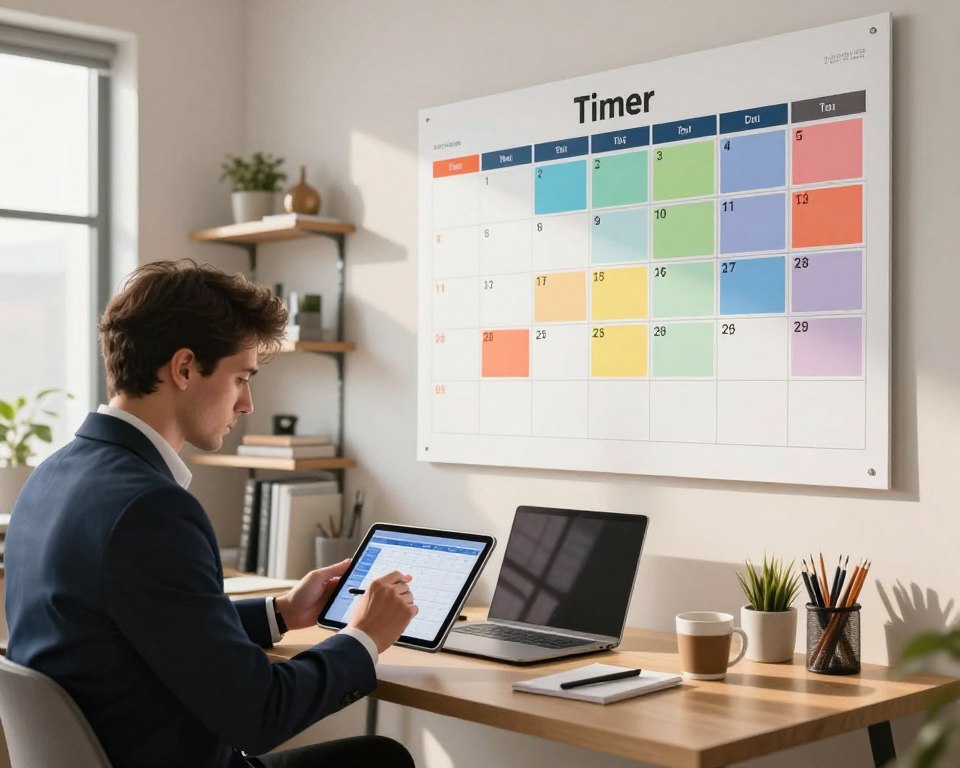
Turn strategic thought into calendar habits that protect long-term progress. Block protected time and treat it like a client meeting: non-negotiable and recurring.
Weekly cadence: reserve 60–150 minutes each week for deep work and a 20–30 minute midweek check to stay above daily noise.
Allocate protected time to thinking, not just doing
Put recurring strategy blocks on your calendar. Mark them as busy and commit to only one outcome: progress on a goal.
Use a thinking buddy or a written dialogue
A structured conversation surfaces hidden assumptions fast. If solo, run a written Q&A in a journal or text editor. Ask tough questions and answer in free flow.
Break vision into specific goals and first steps
Translate a bold idea into clear goals: themes, validations, and sequenced deliverables. Immediately list the first actions—collect docs, map features, define audience—so momentum begins today.
Mind map to turn ideas into work
Start with a central goal, branch to strategy themes, then to deliverables, owners, and timelines. Add an opportunity scan each month to spot shifts that demand plan updates.
Consistent habits beat occasional bursts of inspiration; routine practice is how you grow strategic skills.
| Habit | Cadence | Outcome | Example Task |
|---|---|---|---|
| Protected strategy block | Weekly (60–150 min) | Roadmap progress | Draft two-year themes |
| Midweek check | Weekly (20–30 min) | Course correction | Adjust priorities |
| Thinking buddy session | Biweekly | Faster clarity | Pre-mortem risks |
| Solo journal Q&A | Weekly | Uncover assumptions | Free-write answers |
Lead your team with the bigger picture without losing execution
Sustain vision by turning strategy into usable guardrails for everyday work. You make the bigger picture real by owning the why, stating the what, and giving the team room to design the how within clear limits.
Persistent messaging: own the “why,” communicate the “what,” empower the “how”
Repeat the outcome and the tradeoffs at every kickoff and review. Start meetings by showing the strategic line each project supports.
This frames work so members choose actions that match priorities.
Connect the pieces: align projects to strategy and limited resources
Map each initiative to the company’s goals and the resources available. Pause or stop items that do not justify their cost; Rumelt taught us strategy includes what you decline.
Create a culture of honest capacity conversations
Use a simple rubric: can do, can’t do, should do, must do. Make “yes” credible by saying no more often.
Make purpose tangible and check values
Ask concrete prompts like, “If this product disappeared, who would lose and how?” Use values alignment checks so the organization’s actions match words.
Celebrate incremental wins to sustain momentum
Recognize progress across weeks and years so motivation stays steady. Small wins reduce burnout and keep teams aligned to the long arc.
“Strategy is what you do not do.”
| Leadership Focus | Practice | Outcome |
|---|---|---|
| Persistent messaging | Open meetings with line-of-effort and tradeoffs | Aligned daily choices |
| Resource alignment | Map projects to limited resources | Fewer low-value tasks |
| Capacity culture | Can/Can’t/Should/Must rubric | Credible commitments, less burnout |
| Values checks & wins | Periodic alignment reviews + celebrate milestones | Trust and sustained momentum |
Execution promise: when your team knows the why and the constraints, members make better calls and you spend less time firefighting.
Real-world examples and outcomes of strategic, future-minded thinking
Real-world pivots reveal why outcome-focused choices beat default rules. The next three examples show how you translate signals into action with measurable results.
Case: pivoting a return-to-office plan
The BetterUp “Lucy” case shows how a company swapped a rigid office policy for employee-centered flexibility. Leadership tracked retention risk, workforce trends, and preference data instead of enforcing a dated rule.
They pivoted the strategy from “return to office” to “retain and develop top talent while keeping culture.” This shift kept attrition lower during the Great Resignation and aligned work practices to long-term goals.
What the data signals
When 83% of employers said the shift to remote work was successful, flexibility became a strategic lever, not a perk. You can use hybrid models, targeted in-person days, and offsites to protect culture and reduce churn.
Coaching and development raise planning quality
Coaching delivered measurable gains: coached sales managers saw an 11% higher rate of goal attainment and roughly +$10M in bookings per team.
Other outcomes included a 60% rise in direct reports hitting quota, a 24% boost in productivity, and a 16% improvement in strategic planning ability.
“When you zoom out, you choose flexibility, capability-building, and clear priorities that perform better under uncertainty.”
- Monitor signals — workforce trends and retention metrics.
- Anchor strategy — set outcomes like retention and performance, not policy.
- Invest — coaching and development to improve planning and execution.
Takeaway: keep strategy tied to outcomes. Use flexibility, development, and intentional connection to turn short-term pressures into lasting success.
Conclusion
,End with a practical checklist you can use this week to protect strategic intent.
Core lesson: you make better long-term decisions when you step back, widen your time horizon, and link daily work to clear goals.
Quick checklist: clarify why, map to years, remove assumptions, gather perspective, run a pre-mortem, then converge on what is actionable.
Reality check: many strategy efforts fail to fully launch (estimates range 60%–90%). The antidote is steady alignment between intent and everyday actions.
This week: block protected thinking time, write a one-page decision brief, and take the first two steps within 48 hours.
This month: run a team pre-mortem, start a capacity ritual, and add a values check to a major review.
Lead with a clear why, state the what, and empower the how. Keep the big picture visible while you make grounded tradeoffs so your organization and team execute with confidence.